

Understanding and Exploring Famine in Ireland and Beyond
This learning unit has been developed to support teachers and students in exploring famine in the context of Irish history and beyond

Deniers, Delayers and Regulators, Oh My! Who’s involved in greenwashing?
Who is responsible and who is to blame for practices that can only amount to being called greenwashing? A teachers’ guide by Rachel Elizabeth Kendrick
A teachers’ guide to Greenwashing
A guidebook to support teachers and students in learning about greenwashing as a barrier to sustainable development.
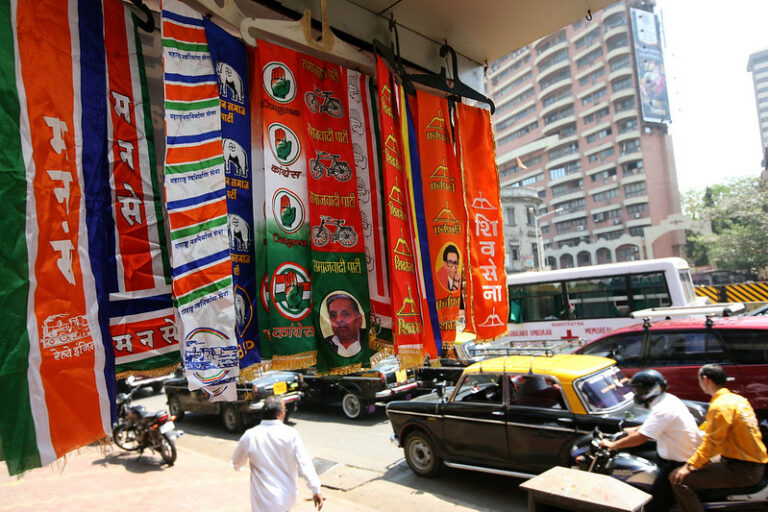
Youth Rising: India’s Vote, India’s Future
Trishla Haryani looks at the 2024 Indian election and the critical role of young people’s vote in shaping it’s political landscape.

Under the Gavel: Are International Courts and Bodies Working?
Daniel McWilliams looks at how the ICC and the ICJ function and any challenges and criticisms faced by them and other international bodies.
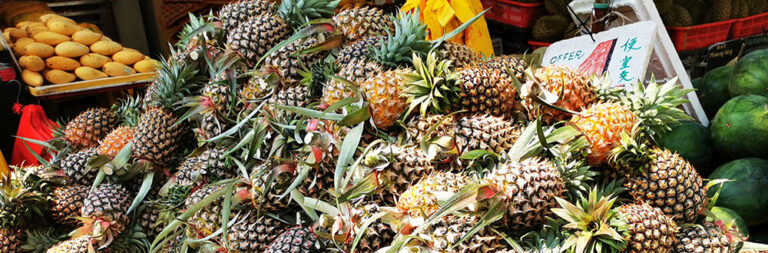
30 smeach chárta ar líne: Bia, cothú agus an domhan
‘Foods’ stands for diversity, nutrition, affordability, and safety. A greater diversity of nutritious foods should be available in our fields, in our markets, and on our tables, for the benefit of all.
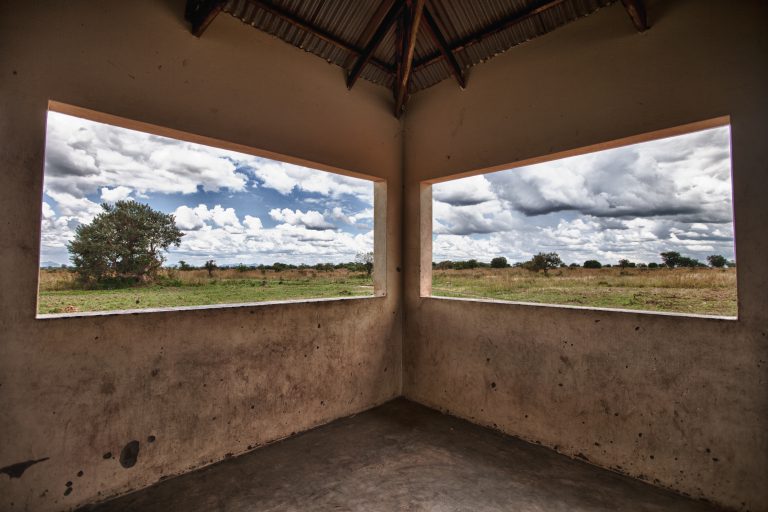
Extra-curricular Opportunities at Post-Primary Level
Fancy organising a workshop? Many NGOs have members of staff who do outreach and education visits to schools as part of their education programmes.
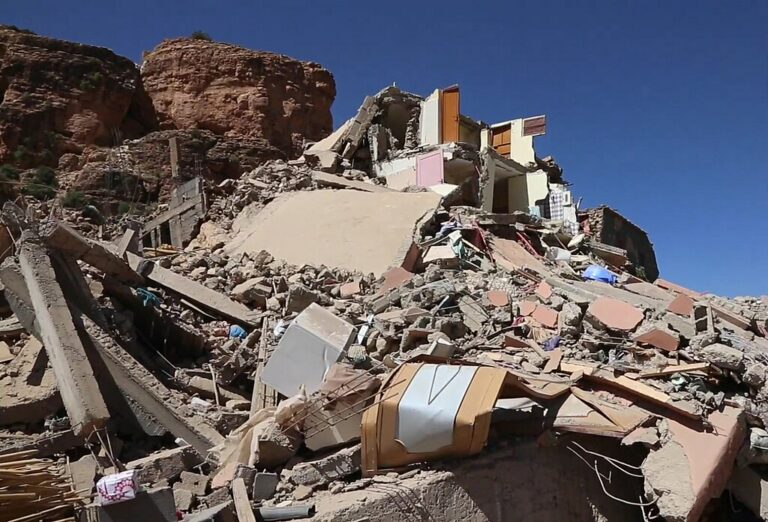
The aftermath of an earthquake: An educator’s guide
Teaching young people about natural disasters like earthquakes can be challenging, but it is important that they understand why they happen, and the progress humanity has made in limiting their damaging effects.